
2mm float glass
Hydraulic systems are critical components in modern industrial and infrastructure applications, requiring precise control of fluid flow to ensure safety, efficiency, and longevity. Among the essential elements in these systems is the slow-closing check valve , a device designed to regulate flow by preventing backflow while minimizing pressure surges. This article explores the innovative 300X slow-closing muffler check valve developed by Storaen (Cangzhou) International Trading Co., highlighting its technical specifications, applications, and the company's commitment to quality and innovation. Key Features and Functional Advantages The 300X slow-closing muffler check valve is engineered with a novel structure that addresses common challenges in hydraulic systems, such as water hammer and excessive resistance. Its standout features include: Superior Sealing Performance : The valve's design ensures a tight seal, preventing leakage and maintaining system integrity under high-pressure conditions. Low Flow Resistance : Optimized internal geometry minimizes energy loss, allowing for smooth fluid flow and improved system efficiency. Adjustable Closing Speed : Users can fine-tune the valve's closing mechanism to match specific operational requirements, reducing wear and tear on downstream components. Water Hammer Mitigation : By controlling the rate at which the main valve closes, the device effectively dampens pressure surges, extending the lifespan of pipes and equipment. Durable Construction : High-quality materials and advanced manufacturing techniques ensure long-term reliability in demanding environments. Technical Specifications Parameter Specification Model 300X Slow-Closing Muffler Check Valve Flow Rate Up to 1200 GPM (depending on size) Pressure Range 0-150 psi Materials Stainless steel, brass, and reinforced polymer components Operating Temperature -20°C to 80°C Connection Type Flanged or threaded (customizable) Adjustable Closing Time 0.5-10 seconds (user-configurable) Applications in Industrial and Infrastructure Systems The versatility of the 300X slow-closing muffler check valve makes it suitable for a wide range of applications, including: Water Treatment Plants : Preventing backflow in pumping systems and reducing pressure spikes during shutdowns. Oil and Gas Pipelines : Ensuring safe and efficient flow control in high-pressure environments. Power Generation : Protecting turbines and generators from water hammer effects in cooling systems. Manufacturing Facilities : Maintaining consistent fluid flow in hydraulic machinery and automated systems. Fire Suppression Systems : Regulating water flow to prevent damage from sudden pressure changes. Company Background: Storaen (Cangzhou) International Trading Co. Founded in 2005, Storaen (Cangzhou) International Trading Co. has established itself as a leader in the supply of industrial valves and hydraulic components. With a focus on innovation and quality, the company serves clients across North America, Europe, and Asia. Their commitment to research and development ensures that products like the 300X slow-closing muffler check valve meet the highest standards of performance and reliability. Storaen's expertise in hydraulic systems is complemented by its adherence to international standards, including ISO 9001:2015 and ASME. The company's state-of-the-art manufacturing facilities and rigorous quality control processes guarantee that every product delivers exceptional value to customers. Industry Standards and Regulatory Compliance The 300X slow-closing muffler check valve is designed to comply with global industry standards, ensuring compatibility and safety in diverse applications. Key certifications include: ISO 9001:2015 : Quality management system certification. ASME B16.34 : Standards for valves used in piping systems. API 602 : Specifications for compact gate, globe, and check valves. For further insights into hydraulic system standards, refer to the National Institute of Standards and Technology (NIST) , which provides critical research and guidelines for industrial applications. Expertise and Innovation in Hydraulic Technology According to NIST , "Hydraulic systems require precise control mechanisms to ensure operational safety and efficiency. Innovations in valve technology, such as slow-closing designs, play a pivotal role in mitigating risks associated with pressure fluctuations and system failures." The 300X slow-closing muffler check valve exemplifies this innovation by integrating advanced engineering principles to address real-world challenges. Storaen's commitment to innovation is evident in its collaboration with leading research institutions and its investment in cutting-edge manufacturing technologies. This approach ensures that the company remains at the forefront of hydraulic system advancements. Conclusion The 300X slow-closing muffler check valve represents a significant advancement in hydraulic technology, offering unparalleled performance, reliability, and adaptability. Its unique design and robust construction make it an ideal solution for industries where precision and safety are paramount. By partnering with Storaen (Cangzhou) International Trading Co. , businesses can leverage cutting-edge valve technology to enhance system efficiency and reduce operational risks. References National Institute of Standards and Technology (NIST) . (n.d.). Hydraulic Systems and Pressure Control. Retrieved from https://www.nist.gov .
about
2mm float glass
The marine industry relies heavily on robust and reliable fluid control systems to ensure the safe and efficient operation of vessels and offshore infrastructure. Among the critical components in these systems are gate valves , which play a pivotal role in regulating fluid flow. This article explores the gate valve types commonly used in marine environments, with a focus on their design, functionality, and specific applications. We will delve into the importance of gate valves in marine systems, highlight the unique features of the 1 1 2 gate valve and 1 1 4 gate valve , and address frequently asked questions to provide a comprehensive understanding of these essential components. Understanding Gate Valve Types in Marine Systems Gate valve types are categorized based on their design, material, and operational mechanisms. In marine applications, the primary gate valve types include rising stem, non-rising stem, wedge gate, and knife gate valves. Each type serves distinct purposes, tailored to the demanding conditions of maritime environments. Rising Stem Gate Valves: These valves feature a stem that rises as the valve opens, providing a visual indicator of the valve’s position. They are ideal for above-deck installations where accessibility and visibility are critical. Non-Rising Stem Gate Valves: Compact and suitable for confined spaces, these valves are often used below deck or in pipelines where vertical space is limited. Wedge Gate Valves: Known for their tight sealing capabilities, wedge-shaped discs ensure minimal leakage, making them perfect for high-pressure marine systems. Knife Gate Valves: Designed to handle viscous fluids or slurries, these valves are commonly used in offshore drilling and ballast systems. Marine-grade gate valve types are typically constructed from corrosion-resistant materials like bronze, stainless steel, or duplex steel to withstand saltwater exposure. Compliance with international standards such as ASTM, ISO, and marine classification society certifications ensures reliability and longevity. The Role of Gate Valves in Marine Applications Gate valves are indispensable in marine systems due to their ability to provide unobstructed flow when fully open and tight shut-off when closed. Their simple yet robust design makes them suitable for a wide range of applications, including: Ballast Systems: Gate valvescontrol the intake and discharge of seawater to stabilize vessels during loading or rough seas. Fuel Transfer Lines: They regulate the flow of diesel or heavy fuel oil between tanks and engines. Cooling Systems: Gate valvesmanage seawater circulation to prevent engine overheating. Firefighting Systems: Quick-acting gate valves ensure rapid water supply in emergencies. The bidirectional flow capability of gate valves eliminates installation orientation constraints, while their low-pressure drop minimizes energy loss. Marine engineers prioritize gate valves for their durability and ease of maintenance, which are critical in remote or harsh offshore environments. Features and Applications of 1 1 2 Gate Valve in Marine Settings The 1 1 2 gate valve refers to a valve with a nominal diameter of 1.5 inches, optimized for medium-flow marine systems. Key features include: Compact Design: Its smaller size allows integration into tight spaces without compromising performance. High-Pressure Tolerance:Constructed from forged stainless steel, the 1 1 2 gate valve withstands pressures up to 600 PSI. Corrosion Resistance: Epoxy-coated bodies and PTFE seals protect against saltwater degradation. In marine applications, the 1 1 2 gate valve is commonly deployed in: Auxiliary cooling lines for generators. Lubrication oil transfer systems. Hydraulic control circuits. Its reliability in frequent cycling operations makes it a preferred choice for systems requiring regular adjustments. Advantages of Using 1 1 4 Gate Valve for Marine Operations The 1 1 4 gate valve , with a 1.25-inch nominal diameter, bridges the gap between smaller and larger valves, offering versatility for specialized marine tasks. Its advantages include: Precision Flow Control: The intermediate size allows fine-tuning of flow rates in systems like fuel injection or chemical dosing. Lightweight Construction: Aluminum-bronze alloys reduce weight without sacrificing strength, ideal for mobile offshore units. Easy Maintenance: Standardized flange connections enable quick replacement or repairs. Typical applications for the 1 1 4 gate valve include: Bilge pumping systems. Compressed air lines. Potable water distribution networks. Both the 1 1 2 gate valve and 1 1 4 gate valve are available in bulk quantities, ensuring seamless supply chain management for large-scale marine projects. FAQ s About Marine Applications of Gate Valve Types What are the primary differences between gate valve types in marine systems? Marine gate valve types differ in design and application. Rising stem valves offer visual position indication, while non-rising stem valves suit space-limited areas. Wedge gate valves excel in high-pressure sealing, and knife gate valves handle thick fluids. How does a gate valve ensure leak-proof performance in saltwater environments? Gate valves use corrosion-resistant materials like duplex steel and precision-machined wedges to create a metal-to-metal seal. Regular maintenance, such as lubricating the stem, further enhances longevity. Why is the 1 1 2 gate valve preferred for auxiliary marine cooling systems? The 1 1 2 gate valve balances flow capacity and compactness, making it ideal for cooling lines where space and moderate flow rates are critical. Its forged construction resists thermal expansion. Can the 1 1 4 gate valve be used in high-vibration marine environments? Yes. The 1 1 4 gate valve ’s robust design and flange bolting withstand vibrations common in engine rooms or pump stations. Are gate valve types compliant with international marine safety standards? All gate valve types discussed meet ISO 5208, ASTM A216, and classification society standards (e.g., DNV, ABS), ensuring compliance with global marine safety regulations. In conclusion, gate valves are vital to marine operations, with gate valve types tailored to specific needs. The 1 1 2 gate valve and 1 1 4 gate valve exemplify precision engineering for maritime challenges. As a manufacturer specializing in bulk production, we ensure these components deliver unmatched reliability, durability, and compliance, empowering the marine industry to navigate the world’s waters with confidence.
-

High quality industrial productsagement

High quality industrial products
View Details -

Meet the diverse needs of customers

Meet the diverse needs of customers
View Details -

Strict quality control

Strict quality control
View Details -

Top raw materials

Top raw materials
View Details -

Trusted supplier

Trusted supplier
View Details
Our application


news and information
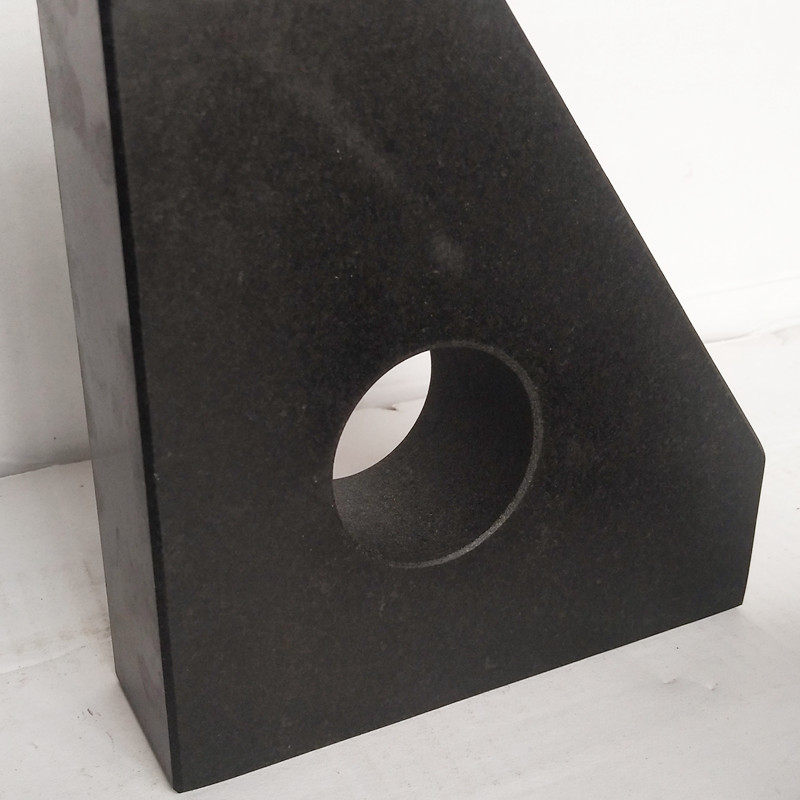
v block made of
Understanding V-Block Made Of A Fundamental Tool in Manufacturing In the world of manufacturing and
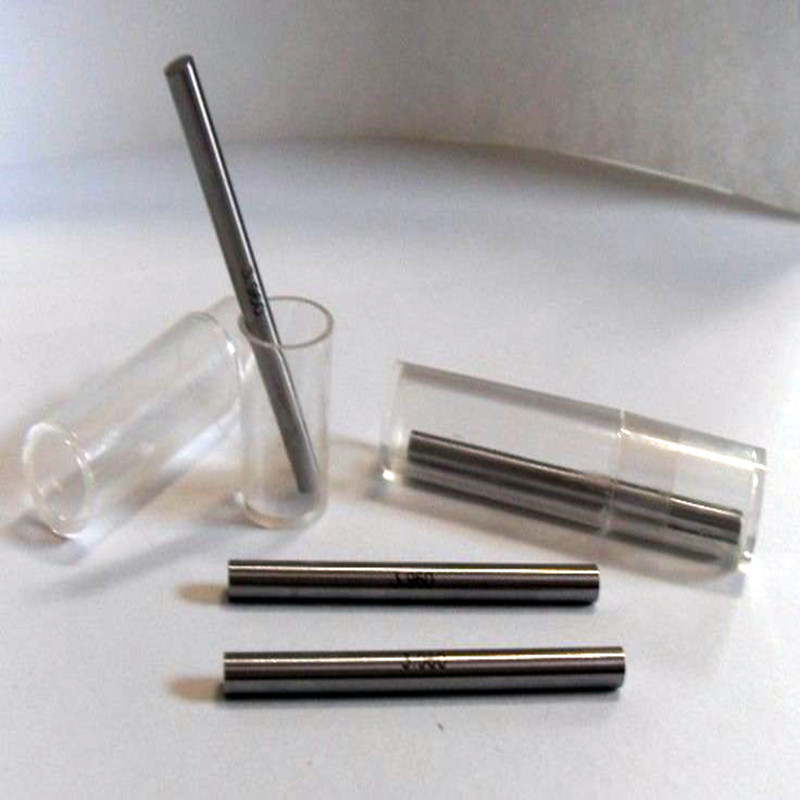
Various Types and Applications of Micrometers in Precision Measurement
Types of Micrometers Precision Tools for Measurement Micrometers are precision measurement instrumen
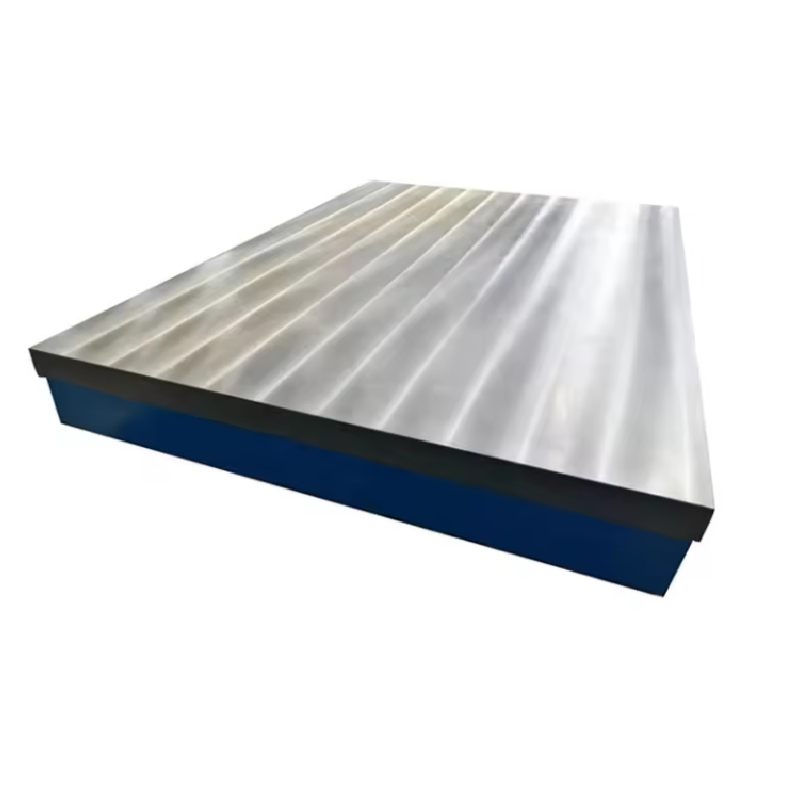
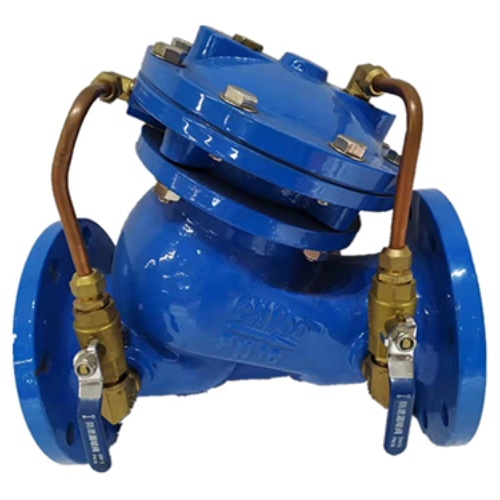
Y Type Strainer Applications in Industrial Water Filtration
Industrial water filtration is a critical process for maintaining operational efficiency, equipment
 English